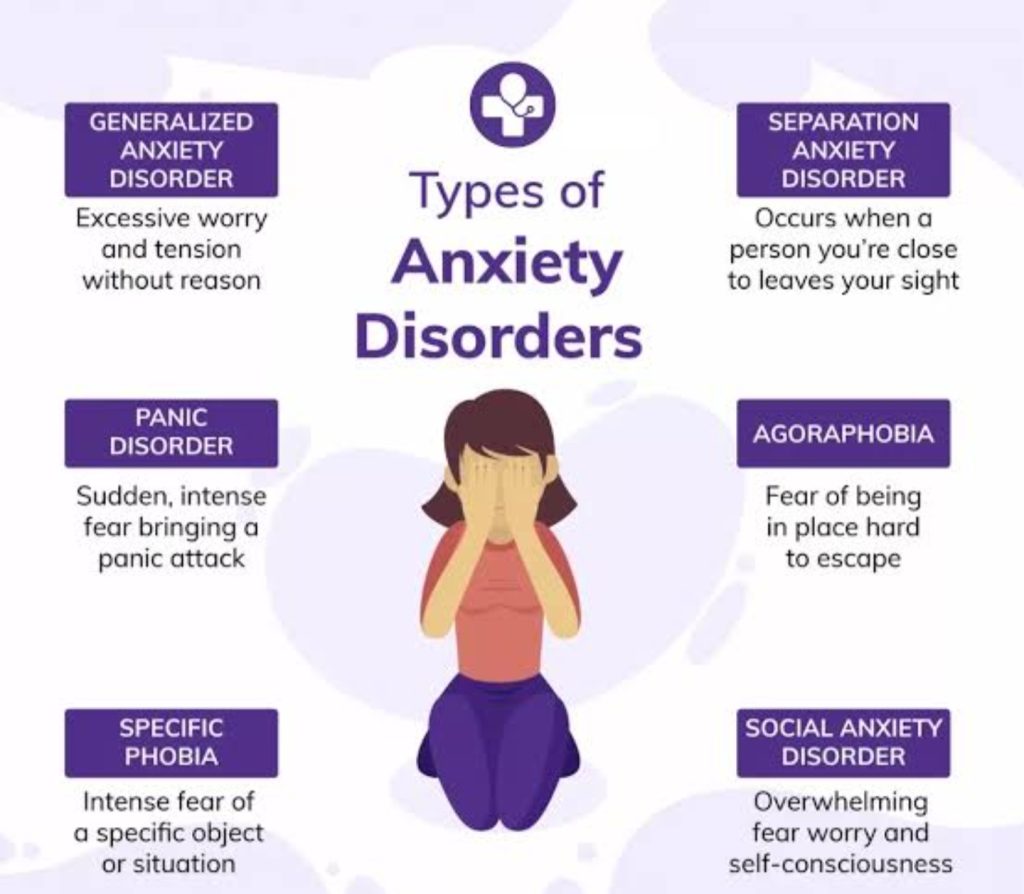

Anxiety Disorder: Understanding the Basics
Anxiety disorder is a common mental health condition characterized by excessive, persistent worry or fear that interferes with daily life. While anxiety is a natural response to stress or danger, for those with anxiety disorders, the feeling is intense, prolonged, and often occurs without any real threat.
Types of Anxiety Disorders
There are several types of anxiety disorders, each with unique symptoms:
1. Generalized Anxiety Disorder (GAD): Individuals experience persistent and excessive worry about various aspects of life, such as work, health, or family. This worry is difficult to control and lasts for six months or more.
2. Panic Disorder: Sudden and repeated episodes of intense fear, known as panic attacks, often occur without warning. Symptoms include palpitations, sweating, shortness of breath, and an overwhelming sense of impending doom.
3. Social Anxiety Disorder: Intense fear of social situations where one might be judged, embarrassed, or humiliated. People with this disorder often avoid social gatherings or endure them with extreme anxiety.
4. Specific Phobias: Irrational fear of specific objects or situations, such as heights, animals, or flying. The fear is disproportionate to the actual danger.
5. Obsessive-Compulsive Disorder (OCD): Characterized by unwanted, intrusive thoughts (obsessions) and repetitive behaviors (compulsions) aimed at reducing anxiety.
6. Post-Traumatic Stress Disorder (PTSD): Occurs after exposure to a traumatic event, causing flashbacks, nightmares, and severe anxiety.
7. Separation Anxiety Disorder: Often seen in children, it involves excessive fear or anxiety about being separated from loved ones.
Causes of Anxiety Disorders
Anxiety disorders arise from a combination of factors:
Genetics: Family history can increase the likelihood of developing anxiety.
Brain Chemistry: Imbalances in neurotransmitters like serotonin, dopamine, and GABA can contribute to anxiety.
Trauma: Experiencing traumatic events, especially during childhood, increases the risk of anxiety disorders.
Stress: Prolonged stress from personal, professional, or financial issues can trigger or exacerbate anxiety.
Personality Traits: Individuals who are naturally more sensitive or shy may be more prone to anxiety.
Symptoms of Anxiety Disorder
Persistent worry or fear
Feeling restless or on edge
Difficulty concentrating
Irritability
Muscle tension
Sleep disturbances
Panic attacks (in the case of panic disorder)
Physical symptoms may also include rapid heart rate, shortness of breath, sweating, dizziness, and stomach discomfort.
Treatment Options
1. Therapy: Cognitive Behavioral Therapy (CBT) is the most effective treatment for anxiety disorders. It helps individuals identify negative thinking patterns and replace them with healthier ones.
2. Medications: Anti-anxiety medications, such as selective serotonin reuptake inhibitors (SSRIs) or benzodiazepines, are often prescribed to manage symptoms.
3. Lifestyle Changes: Regular exercise, proper sleep, and a healthy diet can significantly reduce anxiety symptoms. Mindfulness practices like meditation and deep-breathing exercises also help.
4. Support Groups: Connecting with others who experience similar challenges can provide emotional support and reduce feelings of isolation.
Coping Mechanisms
Breathing Exercises: Practicing deep, slow breathing can help manage acute anxiety attacks.
Mindfulness Meditation: Staying present and observing thoughts without judgment can help reduce worry.
Exercise: Physical activity boosts mood-enhancing chemicals in the brain and reduces stress.
Limiting Caffeine and Alcohol: Both substances can worsen anxiety symptoms, so reducing intake can help.
When to Seek Help
If anxiety interferes with your daily life or you experience panic attacks, it’s essential to seek professional help. Anxiety disorders are highly treatable, and early intervention can lead to better outcomes.
Conclusion
Anxiety disorders affect millions of people worldwide, but with the right treatment and coping strategies, individuals can manage their symptoms and lead fulfilling lives. Recognizing the signs and seeking timely help is the first step towards overcoming anxiety.
Photo taken from Google.
Credit to respective owner